

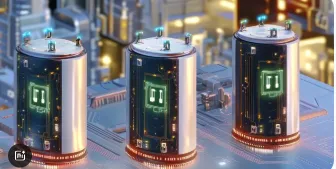
Website speed dictates whether visitors stay or leave immediately. Traditional spinning drives feel way too slow for modern web apps. Modern servers use fast solid state hardware to read data in milliseconds. Setting up Linux Ssd Vps Hosting gives your site rapid database access and stable uptime. Quick response times keep users happy and boost search rankings. Upgrading your storage setup remains one of the simplest ways to fix performance bottlenecks today.
Understanding Basic Disk Speed
Solid state drives move data much faster than old mechanical hard disks. Traditional platters must spin around to fetch small files, causing tiny delays. Flash storage reads information electronically with no moving parts at all. This means your website pages load instantly, even during heavy traffic periods. Selecting modern storage platforms protects your online business from sudden performance drops, keeping every user connection running smooth, fast, and completely stable.
Exploring Direct Bus Connection
Newer storage drives plug straight into the motherboard bus lines. Older drives rely on slow cable controllers that limit overall data throughput. Modern protocols bypass these legacy bottlenecks to process thousands of read requests at once. Choosing a Linux Nvme Vps Hosting environment ensures your database queries execute without any internal queue delays. Your server handles concurrent user actions effortlessly, making demanding web applications feel snappy, light, and responsive.
Handling Heavy Traffic Spikes
Flash memory maintains consistent speeds during massive visitor surges. Mechanical drives often freeze or crash when thousands of people request files simultaneously. Solid state drives split read workloads across multiple channels without slowing down. This consistent performance keeps online stores open during big promotional sales. Your checkout pages respond instantly, preventing lost sales and giving customers a smooth, hassle-free shopping experience every single time they visit.
Reducing Server Power Needs
Solid state hardware uses far less electricity than legacy spinning platters. Lower power consumption means server racks generate much less heat overall. Data centers run cooler, reducing the risk of unexpected hardware failure from overheating. Efficient drives also lower long-term infrastructure costs for server administrators. You get maximum performance without paying huge monthly utility bills, which helps keep your web hosting expenses predictable and very manageable over time.
Improving Data Reliability Overall
Moving parts in old hard drives wear out and break down eventually. Flash storage chips have no physical components that rattle or fail unexpectedly. This durability keeps your valuable database files safe from mechanical damage. Regular system backups also finish in a fraction of the usual time. Your server stays online longer with fewer maintenance interruptions, giving you real peace of mind while running critical digital operations daily.
Conclusion
Upgrading your server storage transforms how quickly your website operates everyday. Faster drives lower bounce rates and help keep your online visitors engaged. Modern flash technology delivers incredible reliability while handling huge traffic workloads with zero effort. Visit serverhost.com to find powerful server plans designed to boost your daily web speeds. Investing in fast storage infrastructure today ensures your web applications stay fast, safe, and ready for future growth.
