

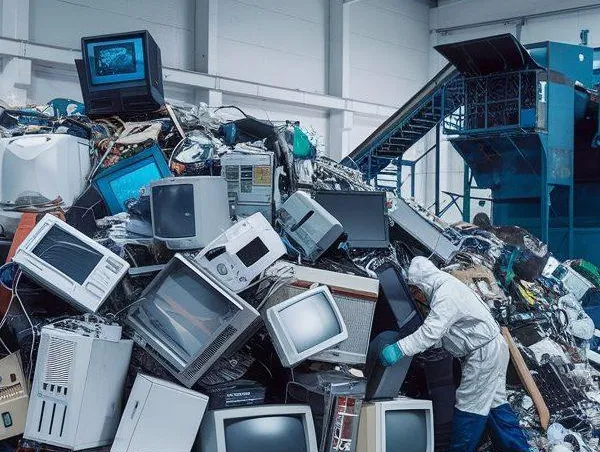
Electronic equipment supports daily business operations, but computers, printers, phones and other devices eventually become outdated or damaged. When this happens, organisations need a safe and organised way to manage unwanted technology. Choosing corporate e-waste solutions Dubai can help businesses protect information, reduce unnecessary waste and recover useful materials. A formal process gives employees instructions and helps managers track equipment from retirement to its final destination.
Why Businesses Need an E-Waste Plan
Office upgrades can leave companies with computers, screens, cables, servers and accessories they no longer need. If these items are stored indefinitely or mixed with ordinary rubbish, valuable resources may be lost and some components may be handled incorrectly.
A well-organised approach can offer several benefits:
● Better organisation: Collection procedures prevent unwanted devices from accumulating.
● Accountability: Asset lists and collection records show which items have left the workplace.
● Resource recovery: Suitable equipment can be reused, refurbished or processed for materials.
● Environmental care: Responsible handling helps keep electronic waste out of unsuitable disposal routes.
● Data security: Devices containing confidential information can be identified and treated appropriately.
What Counts as Electronic Waste?
Electronic waste includes electrical and electronic products that are no longer needed, useful or economical to repair. Common examples include:
● Desktop computers, laptops, tablets and mobile phones
● Monitors, keyboards, printers, scanners and photocopiers
● Servers, routers, switches and network equipment
● Cables, chargers, adapters and electronic accessories
● Batteries and uninterruptible power supplies
● Audio-visual equipment, screens and communication devices
Some retired equipment may still work. These items should be assessed separately from damaged products because reuse may be possible when devices are safe and suitable for another user. Equipment that cannot be reused may need specialist processing to recover materials and manage components that require care.
Risks of Improper Disposal
Placing old electronics in general rubbish can create avoidable problems. Devices contain a mixture of plastics, metals, glass and electronic components. If equipment is broken apart, stored carelessly or processed through unsuitable methods, materials can contaminate surrounding areas.
There is also a business information risk. Computers, phones, printers and storage devices may retain customer details, employee records, financial documents or confidential files. Deleting visible files does not always remove all recoverable information. Data security should therefore be part of the disposal process.
Before equipment leaves company premises, identify devices that store information and decide whether data should be securely erased or the storage media destroyed. Keep records of completed work to support internal audits and demonstrate that procedures were followed.
How Collection and Recycling Can Work
A reliable service should begin with an understanding of the organisation’s equipment and requirements. The business and provider can agree on the items to be collected, schedule, access arrangements and any special handling needs.
A typical process may include:
1. Assessment: Review equipment types and approximate quantities, including batteries and data-bearing devices.
2. Planning: Agree on collection dates, access, packaging and safe movement.
3. Sorting: Separate reusable equipment from items requiring recycling or specialist handling.
4. Data management: Apply suitable erasure or destruction to devices that may contain confidential information.
5. Processing: Direct materials towards responsible reuse, refurbishment or recycling routes.
6. Documentation: Retain collection details and relevant service records.
Ask what happens after collection rather than assuming every item follows the same route.
Choosing a Suitable E-Waste Service
A provider should offer information about handling, data security and downstream processing. Before arranging a large collection, businesses should ask:
● How are different types of equipment handled?
● Can the service meet the required volume and schedule?
● How are devices containing business information treated?
● Are collection records or other relevant documents provided?
● What reuse and recycling practices are followed?
● Are batteries and specialist items handled separately?
Check that the proposed service is suitable for the items being removed. If equipment includes specialist components or materials requiring careful handling, the collection plan should address them.
Make E-Waste Management Part of Daily Operations
Responsible disposal works best when it becomes part of normal office procedures. Departments should notify facilities or IT teams when devices are no longer required, preventing equipment from being abandoned or moved without records.
A simple internal policy can explain:
● Who approves equipment retirement
● Where unwanted electronics should be stored
● How devices are recorded and labelled
● Which team checks for confidential data
● How collections are booked and documented
Employees should know that old electronics must not be placed in ordinary bins or removed without approval. This makes future clearances more predictable for everyone involved. Repair and reuse can also be considered before replacement, when practical and secure.
The Value of Responsible Recovery
Electronic products contain materials that may be recovered and used again. Reuse and refurbishment can extend equipment life when products remain safe and fit for purpose. For organisations reviewing their waste practices, corporate e-waste solutions can form part of a broader sustainability plan. Purchasing durable products, maintaining devices, upgrading selectively and arranging responsible end-of-life handling can all support better resource management. The term electronic garbage is often used for discarded devices, but these products should not automatically be treated as worthless rubbish. Some may be suitable for reuse, while others contain materials that can be recovered through appropriate processing.
Prepare for a Smooth Office Clearance
Before collection, estimate the quantity of equipment, identify large or heavy items and separate devices that contain business data. Keep accessories together where possible, and follow the provider’s instructions for batteries and other special items. Appoint one contact person to coordinate with the collection team. After collection, update asset records and retain the paperwork supplied by the service provider. When electronic garbage is handled through a planned process, companies can reduce clutter, improve accountability and support responsible resource use.
Businesses should also consider how often equipment is replaced and whether every upgrade is necessary. Extending the life of suitable devices can reduce purchasing costs and avoid creating waste earlier than required. IT teams can check performance, repair options and compatibility before approving replacements. When equipment is no longer useful internally, its condition should be reviewed before a final disposal decision is made.
Conclusion
Attention to reuse and recycling can help materials move towards more appropriate next uses while keeping workplaces organised. Planet Green can support businesses seeking responsible ways to manage unwanted electronic equipment. Organisations can explore its services and discuss their requirements through the Planet Green website. Making e-waste management part of everyday operations can contribute to a cleaner and more resource-conscious future.
