

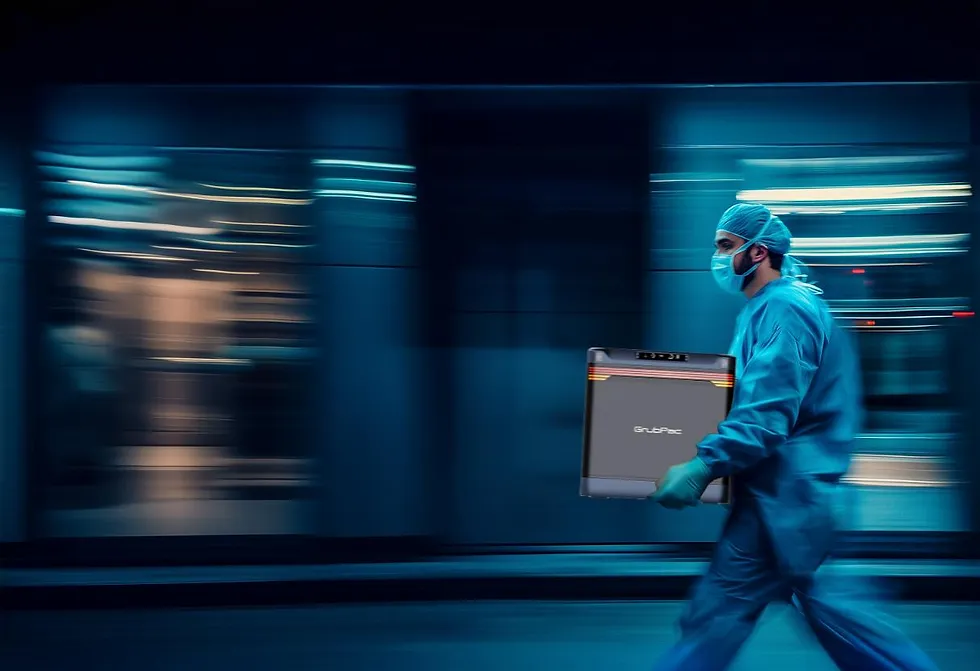
India’s restaurant industry has evolved significantly over the past decade. Many restaurant brands now operate multiple cuisines under one roof, offering everything from Indian and Chinese dishes to pizzas, desserts, beverages, and frozen treats. While this variety helps attract a wider customer base, it also creates new challenges during delivery. Different food items often require different temperature conditions to maintain their quality. To address this issue, many businesses are exploring solutions such as Smart Box with Omnibus zones, which can support the transportation of multiple food categories within a single delivery system.
The Rise of Multi-Cuisine Restaurant Chains
Consumers today enjoy having a wide range of food choices available through a single order. Restaurant chains and cloud kitchens have responded by expanding their menus and operating multiple food brands from the same location.
This model offers several advantages:
-
Greater customer reach
-
Increased order values
-
Better kitchen utilization
-
More menu flexibility
-
Stronger revenue opportunities
However, managing a diverse menu creates challenges that extend beyond food preparation. Delivery becomes more complex when multiple food categories need to be transported together.
Why Different Foods Require Different Conditions
Not all food products travel well under the same conditions. A hot meal, a chilled beverage, and a frozen dessert each have unique temperature requirements.
For example:
-
Curries and rice dishes should remain warm.
-
Cold beverages need cooling.
-
Ice cream requires frozen conditions.
-
Desserts may require separate storage temperatures.
When these products are placed together in a conventional delivery bag, maintaining quality becomes difficult. Temperature transfer between products can negatively affect freshness, texture, and presentation.
As restaurant menus become more diverse, businesses need delivery solutions that can accommodate different food categories simultaneously.
The Delivery Challenge for Restaurant Chains
Large restaurant chains often process hundreds or thousands of delivery orders every day. During peak hours, maintaining consistency across all deliveries becomes a major operational challenge.
Common issues include:
-
Food arriving at incorrect temperatures
-
Reduced product quality
-
Customer complaints
-
Increased refund requests
-
Negative online reviews
These problems can directly impact customer satisfaction and brand reputation. Even high-quality food can disappoint customers if it does not arrive in the expected condition.
As delivery continues to represent a larger share of restaurant revenue, businesses are investing more heavily in transportation infrastructure.
How Omnibus Zone Technology Supports Multi-Cuisine Delivery
Modern delivery systems are being designed to address the challenges created by diverse food menus. One approach involves creating separate compartments or temperature zones within a single delivery container.
This is where an Omnibus Temperature Management Delivery Container can provide advantages. By supporting multiple temperature environments within one delivery unit, businesses can transport a variety of food products more effectively.
Potential benefits include:
-
Better temperature separation
-
Improved food quality preservation
-
Greater delivery flexibility
-
Reduced product compromise
-
Enhanced customer experience
This capability is particularly valuable for restaurant chains offering broad and varied menus.
Supporting Cloud Kitchens and Virtual Brands
Many cloud kitchens now operate multiple virtual restaurant brands from a single facility. One order may include products from several different menus, creating additional delivery complexity.
For example, a customer may order:
-
A hot main course
-
A chilled beverage
-
A frozen dessert
Managing these requirements through conventional delivery systems can be difficult. Multi-zone delivery solutions help support operational efficiency while preserving product quality across different food categories.
As cloud kitchens continue to expand, delivery technology will play an increasingly important role in maintaining consistency.
Improving Customer Satisfaction
Customer expectations continue to rise as food delivery becomes more common. Consumers expect every item in an order to arrive in optimal condition regardless of product type.
Businesses that successfully preserve food quality during transportation may benefit from:
-
Higher customer satisfaction
-
Better online ratings
-
Increased repeat business
-
Stronger customer loyalty
-
Improved brand perception
In a competitive market, delivery quality can become a meaningful differentiator.
The Future of Multi-Cuisine Food Delivery
India’s food delivery ecosystem is becoming more sophisticated as restaurants expand menus and consumer preferences continue to evolve. Delivery systems must adapt to support a growing variety of food categories while maintaining quality standards.
Technologies that allow businesses to manage multiple temperature requirements within a single delivery process are likely to become increasingly valuable. As restaurant chains and cloud kitchens continue to scale, smarter delivery infrastructure may become a key factor in operational success.
Conclusion
The growth of multi-cuisine restaurant chains has created new opportunities as well as new delivery challenges. Transporting diverse food categories within a single order requires more advanced solutions than traditional delivery methods can often provide. Multi-zone delivery systems offer a practical way to support varying temperature requirements while helping preserve food quality and customer satisfaction. As India’s food delivery industry continues to evolve, businesses that invest in smarter delivery technologies will be better positioned to meet changing customer expectations and maintain a competitive advantage.
